Blackstone: A Script Font for Modern Elegance
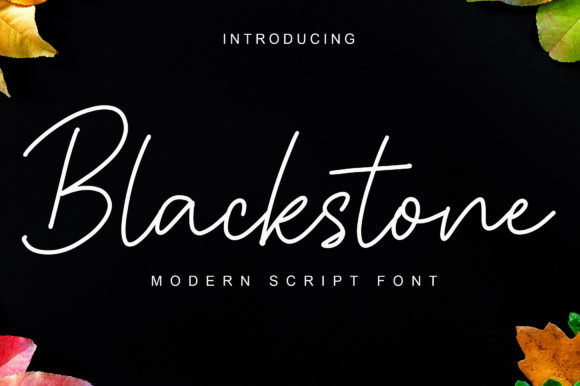
Every designer knows that a single typeface can transform a project from ordinary to extraordinary. For those seeking a blend of sophistication and warmth, the Blackstone script font offers a compelling solution. Its thin, graceful letterforms and flowing connections create a sense of refined elegance, making it a versatile asset for a wide range of creative projects. This font isn't just about beautiful letters; it's a powerful tool for visual communication that can elevate branding, captivate audiences, and enhance the overall user experience.
Understanding the Visual Impact of Script Typography
In graphic design, typography is a cornerstone of visual hierarchy and brand personality. Script fonts like Blackstone convey specific emotions—often elegance, creativity, and a personal touch. When used thoughtfully, they can guide the viewer's eye, establish a tone, and create a memorable impression. Blackstone's thin, flowing style is particularly effective for projects where a modern yet classic aesthetic is desired. It bridges the gap between traditional calligraphy and contemporary design trends, offering a fresh take on script lettering.
Practical Applications Across Design Disciplines
The true value of a creative asset like Blackstone lies in its application. Its graceful style makes it ideal for numerous design contexts, helping to solve specific communication challenges with visual flair.
- Branding and Logo Design: Use Blackstone for logotypes, monograms, or brand marks in industries like fashion, beauty, wedding services, or boutique hospitality. It instantly communicates luxury and personal attention to detail.
- Marketing and Social Media Content: Create eye-catching social media graphics, quote cards, and promotional materials. Its elegance helps posts stand out in crowded feeds, improving engagement and reinforcing brand consistency across digital marketing campaigns.
- Print and Packaging Design: Enhance wedding invitations, stationery, greeting cards, and product labels. On packaging, it can signal a premium product, making it a valuable asset for packaging design that needs to attract and delight.
- Web and UI Design: While not suited for body text, Blackstone can be a stunning accent in web design for headers, hero sections, or decorative elements, adding a touch of personality to a user interface without compromising readability.
- Editorial and Presentation Design: Bring life to magazine layouts, book covers, or professional presentations. It can be used for pull quotes, chapter titles, or slide headers to create a polished and engaging editorial design.
Integrating Blackstone into Your Design Workflow
To maximize the effectiveness of any script font, consider these practical guidelines for selection and implementation. First, always prioritize readability. Blackstone's thin strokes are beautiful, so ensure sufficient contrast with the background color and adequate size for the medium. Second, maintain visual hierarchy. Use it sparingly for headlines or accents, pairing it with a clean, neutral sans-serif or serif font for body text to ensure clarity and balance.
Consistency is key in branding. If you adopt Blackstone for a brand identity, document its usage in style guides—specifying sizes, colors, and contexts. Test its scalability, as very thin scripts can lose detail when reduced significantly. Finally, consider your audience. The elegant, romantic feel of Blackstone resonates powerfully with certain demographics but may not align with every brand's voice, such as a tech startup or a rugged outdoor company.
Thoughtful design is about making intentional choices that serve both form and function. Selecting high-quality creative assets like the Blackstone font is an investment in your project's visual language and communicative power. By understanding its strengths and applying it with strategic care, designers and creators can craft more compelling narratives, build stronger brand identities, and produce work that resonates deeply with its intended audience, ultimately achieving a higher standard of professional presentation.