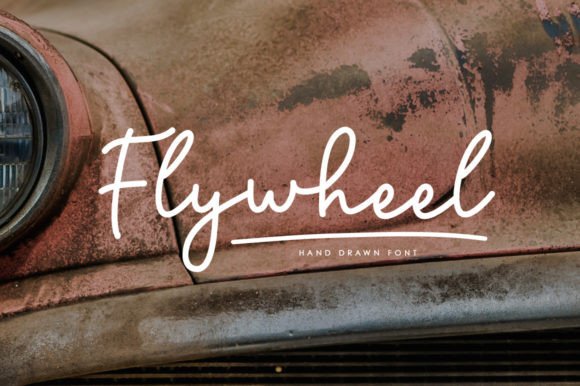
Flywheel: The Dynamic Script for Modern Branding
When a design needs to convey movement, personality, and a touch of handcrafted charm, the right typeface becomes the hero of the composition. Flywheel, a monoline script font with its signature dancing baseline, injects this exact energy into creative projects. It’s not just a set of letters; it's a visual rhythm that captures attention and communicates a brand's voice with flair and authenticity.
The Anatomy of a Versatile Script
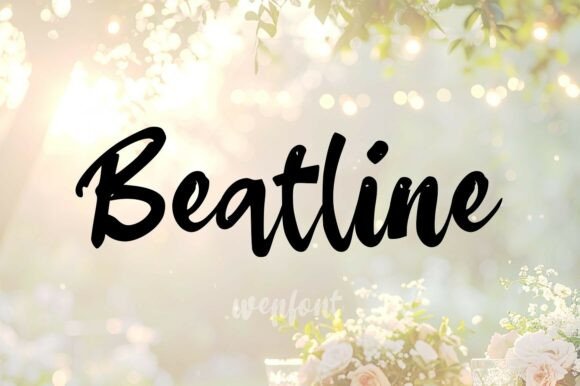
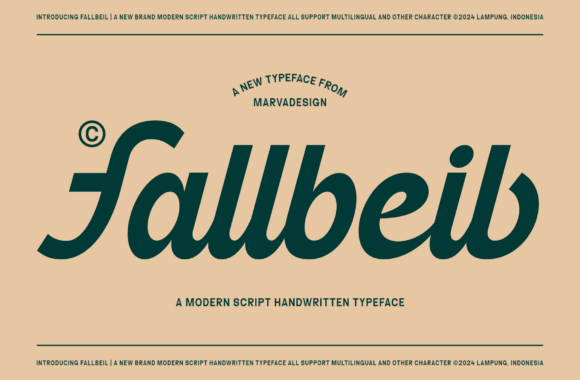
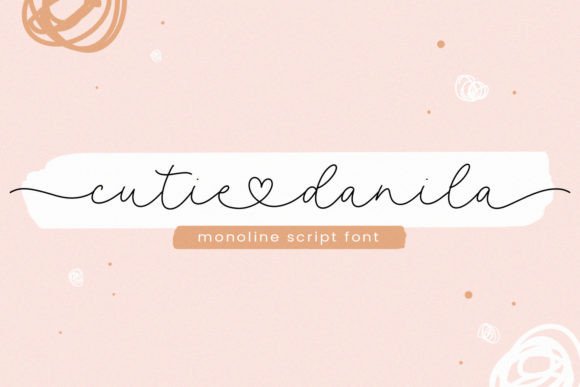
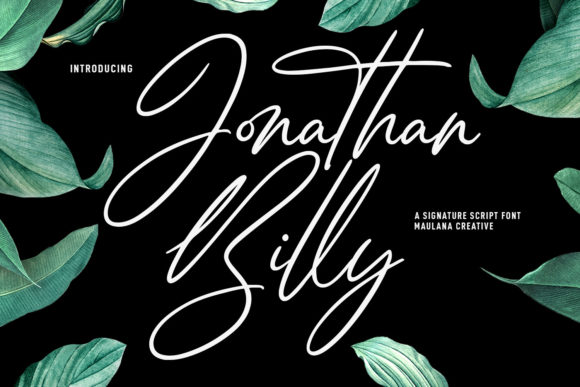
Flywheel's design is a study in balanced dynamism. The consistent, single-weight stroke—the "monoline" aspect—ensures legibility and a clean, modern feel, preventing the visual clutter that can plague more ornate scripts. This is paired with an intentionally uneven, "dancing" baseline, which mimics the natural flow of hand-lettering. This subtle imperfection is key; it adds warmth and approachability without sacrificing professionalism.
Furthermore, its comprehensive character set, including uppercase and lowercase letters, numbers, and punctuation, makes it a practical workhorse. The inclusion of a beautiful set of swashes and alternates is a significant bonus, allowing designers to customize letterforms and add unique flourishes to headlines, logos, and standalone quotes. This level of detail supports a sophisticated typography workflow and elevates the final output.
Practical Applications Across Creative Disciplines
The true value of a typeface like Flywheel lies in its application. Its energetic yet readable character makes it exceptionally suited for projects where personality and clarity must coexist.
- Branding & Logo Design: It can form the core of a wordmark for brands in lifestyle, food, fashion, or artisanal goods, instantly conveying a human, crafted quality. Its swashes offer customization for a unique brand identity.
- Marketing & Social Media: Perfect for social media graphics, quote cards, and promotional banners. The dancing baseline creates visual interest in a crowded feed, improving engagement and stopping the scroll.
- Print & Packaging: On packaging design, merchandise like t-shirts and mugs, or event invitations, Flywheel adds a personal, celebratory touch that feels premium and bespoke.
- Digital & Editorial: Use it strategically in web design for hero sections, pull quotes, or call-to-action buttons. In editorial design, it can accentuate feature titles or chapter headings, adding a layer of visual hierarchy.
Integrating Dynamic Scripts into Your Design Workflow
Introducing a script font requires thoughtful consideration to maintain a cohesive visual design system. Here are key factors for effective use:
- Contrast is Crucial: Pair Flywheel with a clean, neutral sans-serif or serif font for body text. This contrast ensures readability and allows the script to shine as a focal point without overwhelming the layout.
- Context Matters: Consider your audience and medium. While perfect for creative marketing materials and digital products, it may be less suitable for lengthy body copy in a formal report. Its strength is in headlines, logos, and short, impactful phrases.
- Test for Scalability: Always preview your designs at various sizes. A font that looks stunning on a billboard may lose detail on a mobile screen. Ensure key letters remain legible at your intended use case.
- Harmonize with Your Palette: Typography doesn't exist in a vacuum. Ensure the font's style complements your chosen color palette and overall graphic design aesthetic. A vibrant script might clash with a muted, corporate scheme, but harmonize beautifully with bold, contemporary colors.
Ultimately, selecting a creative asset like Flywheel is about enhancing communication. It’s a tool for adding emotion, rhythm, and a distinct point of view to your work. By understanding its characteristics and applying it with intention, designers and creators can transform standard messages into memorable visual experiences, strengthening brand identity and deepening audience connection through the power of thoughtful typography.