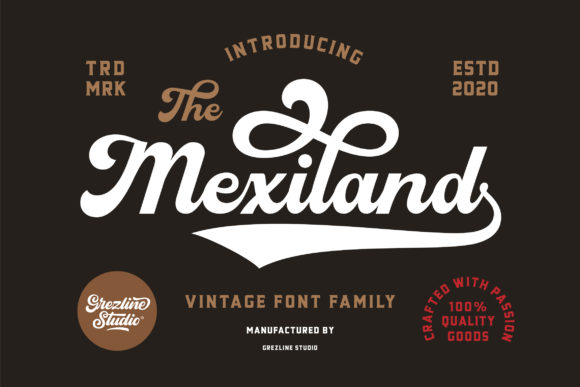
Mexiland: A Daring Script Font for Bold Visual Design
In the crowded landscape of digital assets, finding a typeface that commands attention while maintaining elegance is a rare discovery. Mexiland emerges as a striking solution, offering a fusion of daring flair and sophisticated craftsmanship that instantly elevates any creative project. This script font is engineered to inject personality into visual communication, providing designers with a powerful tool for creating memorable impressions.
Understanding the Visual Impact of Mexiland
Mexiland is a gorgeous and daring script font, crafted to give your headlines and logotype projects a stylish touch. It reads as strong, confident, and dynamic, adding a layer of vintage character to contemporary designs. In modern graphic design, typography is not merely about legibility; it is a core component of brand identity and emotional resonance. A font like Mexiland serves as a bridge between classic artistic traditions and modern aesthetics, allowing creators to craft narratives that feel both timeless and fresh.
When integrated into a visual hierarchy, this typeface acts as a focal point. Its fluid strokes and bold structure make it ideal for applications where the text needs to do more than inform—it needs to persuade. For graphic designers and marketers, understanding how to leverage such expressive typography is essential for effective branding.
Practical Applications in Professional Design
The versatility of a script font like Mexiland extends across various design disciplines. Its bold nature ensures it remains legible even at smaller sizes, though it truly shines when given room to breathe. Here are several practical applications where this font can transform a standard project into a standout piece:
- Logo Design and Brand Identity: A logo sets the tone for a business. Mexiland offers a personalized, hand-crafted feel that is perfect for boutique brands, lifestyle blogs, or artisanal products seeking a distinct visual voice.
- Marketing and Social Media Graphics: In the fast-scrolling environment of digital marketing, capturing attention in milliseconds is vital. Using Mexiland for headers on Instagram posts, Pinterest pins, or email banners ensures high user engagement.
- Editorial and Web Design: While body text requires high legibility, headlines in editorial layouts or hero sections of a website benefit from the dynamic energy of a script font. It adds a layer of sophistication to UI design and web interfaces.
- Packaging and Print Design: From coffee bags to cosmetic labels, packaging design relies on typography to convey quality. The vintage character of Mexiland suggests authenticity and craftsmanship, enhancing the unboxing experience.
Integrating Bold Typography into Your Design Workflow
Successfully incorporating a daring script font requires more than just installation; it demands a strategic approach to design. To maximize the potential of assets like Mexiland, consider the following design tips:
- Prioritize Visual Hierarchy: Use this font for primary headers or call-to-action phrases. Avoid using it for long blocks of body text, as script fonts can reduce reading speed in dense paragraphs. Pair it with a clean, sans-serif font to maintain balance and readability.
- Consider Color and Contrast: Bold scripts often pair best with simple color palettes. Ensure there is sufficient contrast between the text and the background to maintain accessibility standards, a crucial aspect of UX design.
- Maintain Consistency: If you adopt Mexiland for a branding project, ensure it is used consistently across all touchpoints—from digital presentations to print materials—to build a cohesive brand system.
Choosing the right creative assets is a critical step in the design workflow. By selecting typography that aligns with the project's goals—whether that is conveying trust, excitement, or luxury—you ensure that the final output is not only visually appealing but also functionally effective. Thoughtful design choices, like selecting a font with strong character and versatility, ultimately bridge the gap between a simple concept and a professional, polished reality.