Wishbone: Elevate Your Design with Whimsical Script Typography
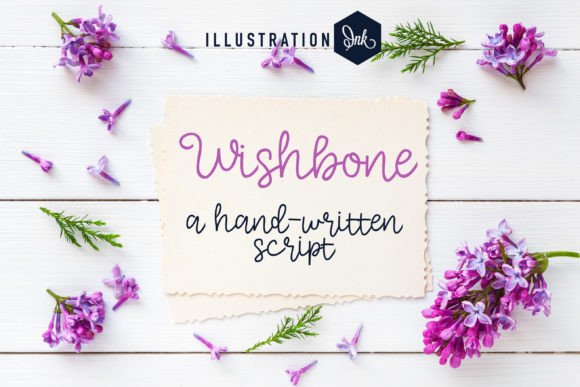
Every designer knows the power of a single font choice to transform a project from ordinary to extraordinary, and Wishbone is a whimsical and stylish script font that delivers exactly that magic. With its delicate, flowing letterforms, this typeface exudes a sense of wonder and enchantment, making it a standout creative asset for branding, invitations, and editorial design. In a world saturated with visual noise, incorporating a font like Wishbone can be the key to crafting a unique and memorable visual identity.
Understanding the Role of Script Fonts in Modern Graphic Design
Typography is the voice of design. While sans-serifs convey modernity and serifs suggest tradition, script fonts like Wishbone communicate personality, emotion, and elegance. Its value lies in its ability to create an immediate emotional connection with the viewer. This is crucial for effective visual communication, where the goal is not just to inform but to resonate. For designers and business owners, selecting a font is a strategic decision that impacts brand perception, user engagement, and the overall quality of the creative project.
Practical Applications for Wishbone in Your Design Workflow
The versatility of a well-crafted script font extends across numerous design disciplines. Wishbone’s enchanting aesthetic can be leveraged to enhance a wide array of creative projects, ensuring consistency and visual impact across all touchpoints.
- Branding and Logo Design: Use Wishbone for a boutique, artisanal, or luxury brand logo to instantly convey craftsmanship and care. It pairs beautifully with a simple sans-serif for a balanced and professional presentation.
- Marketing and Social Media Graphics: Capture attention in a crowded feed with captivating headlines and quotes. Its flowing style adds a personal, human touch to digital marketing campaigns and social media content, improving user engagement.
- Editorial and Web Design: In editorial layouts, Wishbone can create stunning pull quotes or section headers that guide the reader’s eye. For web design, it can be used in hero sections or call-to-action buttons to add a touch of sophistication, enhancing the overall UI/UX design.
- Packaging and Print Design: On product labels, thank-you cards, or wedding invitations, Wishbone’s delicate lines add a tactile, premium quality. It elevates packaging design by suggesting a story and a level of care that generic fonts cannot.
- Presentations and Digital Products: Move beyond default system fonts. Using Wishbone in slide decks or for the title of a digital download (like an e-book or planner) boosts perceived value and professionalism.
Integrating Creative Assets Effectively: Tips for Designers
Simply having a beautiful font is not enough; its implementation determines success. To maintain visual hierarchy and readability, use Wishbone strategically. It is most effective for display text—headlines, logos, and short phrases—rather than for long body copy, where its intricate details can reduce legibility at smaller sizes.
When building a cohesive brand system, consider how Wishbone interacts with your chosen color palette and imagery. Its whimsical nature pairs well with soft, muted colors or bold, contrasting hues for a modern aesthetic. Always test font scalability across devices, from a small social media icon to a large printed banner, to ensure it remains clear and impactful. A thoughtful design workflow involves pairing it with complementary typefaces to create a balanced and readable typographic hierarchy.
Ultimately, the most effective design choices are those that serve the project's goals and audience expectations. Quality creative assets like the Wishbone font are tools to solve visual problems and tell compelling stories. By selecting typography with intention and applying it with skill, designers and creators can significantly elevate both the aesthetics and communicative power of their work, ensuring every project leaves a lasting, professional impression.